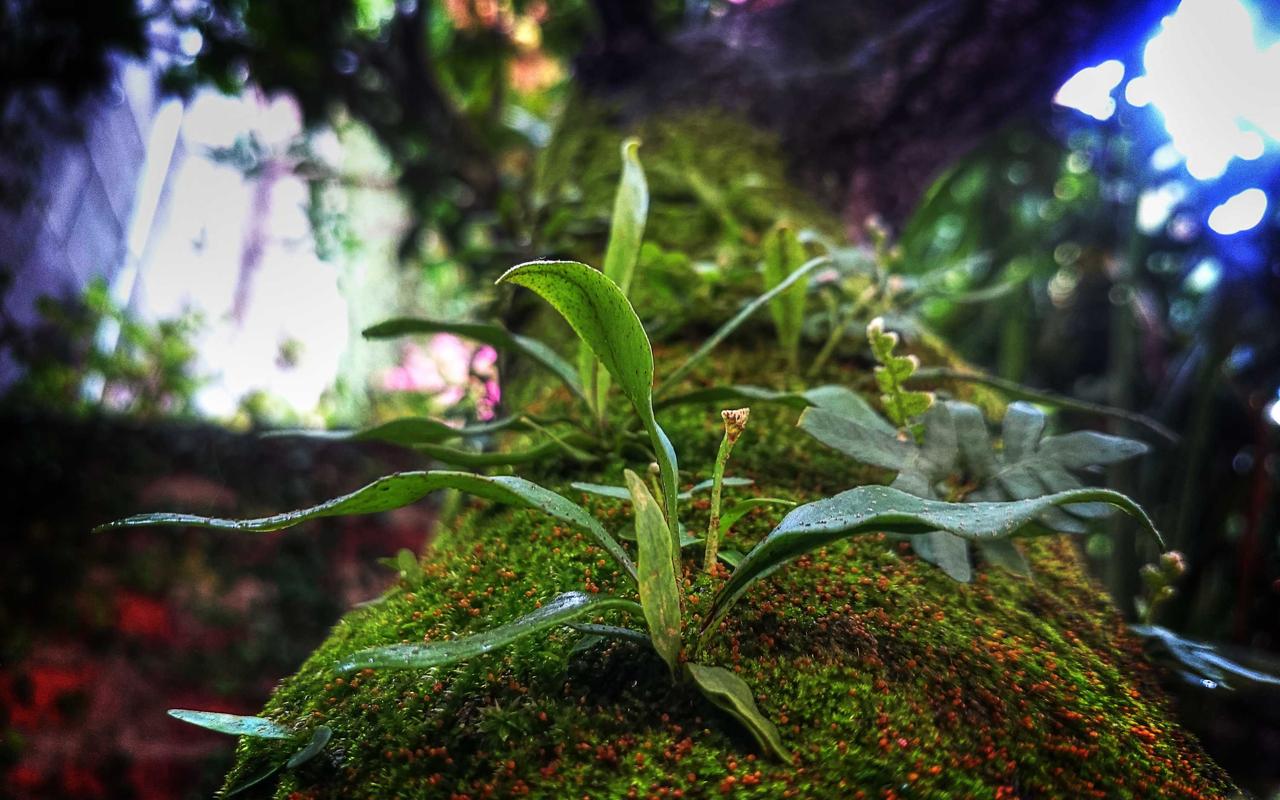
Helping plants recover after flowering: the few lines you need
If you remember one thing: helping plants recover after flowering runs on process, not enthusiasm.


- Write the bad-day version in advance instead of deciding on the spot
- Attach helping plants recover after flowering to something you already do after dinner
- Fix only the step you fail at most, one change at a time
Most people do not fail at helping plants recover after flowering from misunderstanding it. They fail because understanding is not doing. What follows is the doing part: the first action, how to arrange it in the corner of a windowsill, and how to pick the week back up after it collapses.
Advice on helping plants recover after flowering tends to split in two: impossibly complex, or sold as one click. Reality sits between. It needs some patience and some design, but no talent and no shopping list. The sections below go in order; start where you are stuck.
Separate two things in helping plants recover after flowering: the outcome you want and the action you can sustain. When the gap is too wide, shrink the action instead of lowering the ambition.
helping plants recover after flowering From Zero
Schedule helping plants recover after flowering in your best hours, not your most convenient ones. Convenient usually means exhausted, and decisions made while exhausted are rarely kind to the long term.
Give helping plants recover after flowering a fixed sequence and repeat it in the same order. Sequence removes decisions, and much procrastination is just a repeated question about what comes next.
Do not chase the full routine on day one. Do the single most important step. Let helping plants recover after flowering happen once, even for five minutes, and you have crossed the hardest line: from zero to one.
Where helping plants recover after flowering Breaks Down
Second trap: judging helping plants recover after flowering one day at a time. Missing a day is harmless; the story you attach to that day does the damage. Widen the review window to a week and emotion stops making the decision.
Fifth trap: optimising before the basics hold. Changing methods while the routine is unstable means every change is a restart, and nothing accumulates. Wait until helping plants recover after flowering has run two straight weeks.
Seventh trap: treating helping plants recover after flowering as a project. Projects end; habits do not. Anyone starting with 'once this stretch is over' usually does stop when the stretch ends.
Taking helping plants recover after flowering a Layer Deeper
Tie helping plants recover after flowering to a season or a cycle. Human capacity naturally fluctuates, and a single fixed intensity will break in the low phase. Prepare two versions and switch deliberately.
As helping plants recover after flowering becomes familiar it also becomes casual. Keep one non-negotiable minimum and let everything else flex. With the floor intact, flexibility never becomes the doorway to quitting.
A month in, there is one thing worth doing: find the bottleneck. Locate the slowest, most irritating step in helping plants recover after flowering and fix only that. One change at a time, three in three weeks, and the whole experience shifts.
Three Months of helping plants recover after flowering: Honest Notes
Honestly, the first week of helping plants recover after flowering was not impressive: clumsy, badly timed, one day skipped. What changed the direction was not a revelation but the tick boxes on Sunday. Evidence persuades a sceptical mind better than encouragement.
A month of helping plants recover after flowering left something more useful than a result: a reusable procedure — start small, stage ahead, review weekly, keep a floor. It transfers to almost anything; helping plants recover after flowering was simply the first test case.
A five-day trip nearly ended it. Coming back, one mini session restored the feel. That changed my idea of continuity: not an unbroken line, but a line you can reconnect.
| Aspect | From seed | Start in pots | Perennial backbone |
|---|---|---|---|
| Cost | Spread over months | What's already at home | Small consumables |
| Time to start | Half a day to get it | First week is settling in | Give it a month |
| How fast it shows | Same-day difference | One to two weeks | Steady after a month |
| Still doable in June? | Part of the routine | Habit, no thinking | Runs on reminders |
What Keeps helping plants recover after flowering Running
Keep the record rough. Precise tracking becomes a burden, and burdens end in abandonment. A date plus one line of context shows the trend well enough.
Build a reset move: after three days off, run a three-minute version purely to reconnect the chain. The reset is not about results, it is about blocking the story that says the whole thing is over.
Regularly strip helping plants recover after flowering down. Every time you add a step, ask whether it is genuinely needed; three months later half of it can usually go. Shorter processes survive tired evenings.
Any routine that lasts five years has a very low floor.
Questions People Ask About helping plants recover after flowering
Do I need special compost for helping plants recover after flowering?
Depends on the plant. Most foliage and bedding plants use general potting mix; succulents and orchids need their own blends.
How do I prevent pests in helping plants recover after flowering?
Airflow first, spacing second, quarantine third. Remove physically before reaching for sprays.
Does helping plants recover after flowering need daily watering?
Mostly no. Judge by soil and roots, not the calendar. Water when the top two centimetres are dry.
Does helping plants recover after flowering need fertiliser?
Yes, but weak and often. Feed in active growth, stop in dormancy, and skip the first month after repotting.
How do I handle helping plants recover after flowering before a week away?
Water deeply, move to shade, use a saucer, or run a cotton wick. Most plants cope with a week; standing water is the real risk.
The honest summary of helping plants recover after flowering: it works, but it grows like a plant rather than switching on. Two weeks shows the first shoots, three months makes it ordinary. Start today with the smallest version, in the corner of a windowsill, and let repetition do the rest.
Whatever you adjust, keep the record. A plain log of helping plants recover after flowering — date, done or not, one line of context — outlasts any app because it cannot lie about the trend.
Landscape design background in small spaces. More from Willa Farrow →